

Frauke Hustinx
Das mediterrane Klima in der Schildkrötenhaltung – Praxisorientierte Ansätze für Europäische Landschildkröten
Meine Faszination für Landschildkröten begann in der Kindheit bei ersten Beobachtungen in ihren natürlichen Lebensräumen. Seitdem reise ich regelmäßig in ihre Herkunftsgebiete, um sie unter natürlichen Bedingungen zu studieren und klimatische Parameter systematisch zu erfassen. Seit über 21 Jahren halte ich Europäische Landschildkröten und engagiere mich langjährig ehrenamtlich in der Haltungsberatung in der
Bit.ly/Starregruppe sowie für die Schildkröten-Auffangstationen.
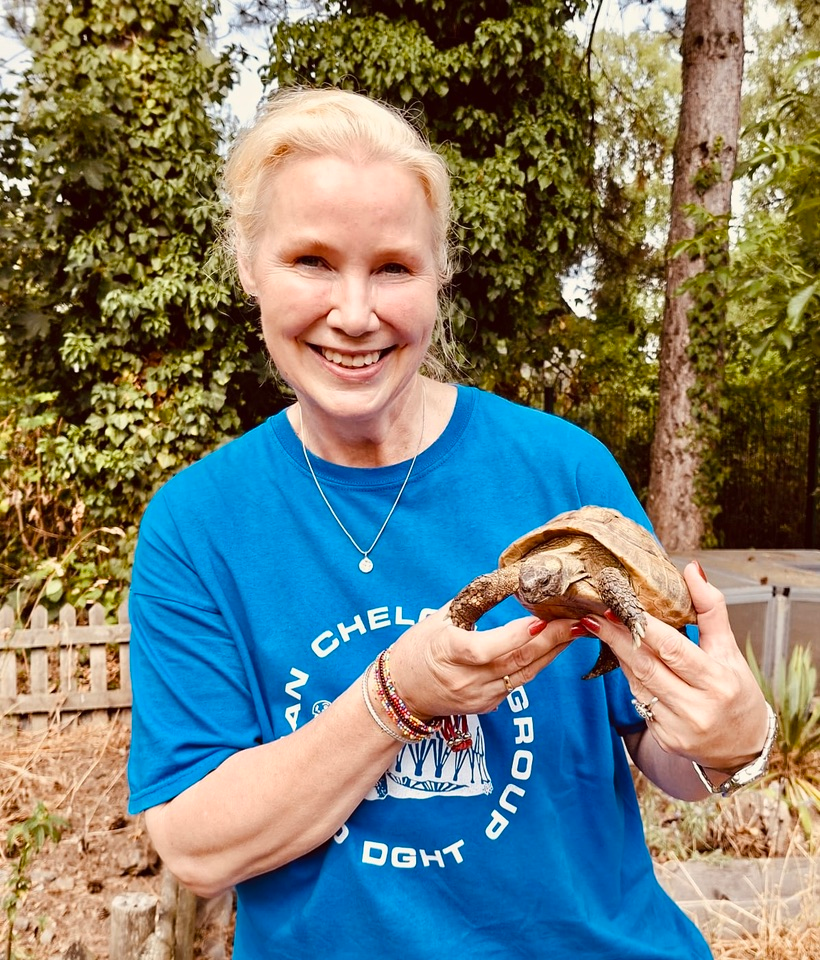
Seit 2021 bin ich Redakteurin der RADIATA sowie Social-Media- und PR-Referentin der AG Schildkröten in der DGHT; 2024 wurde ich in den Vorstand gewählt.
Mein Herzensprojekt ist die www.schildkroetensuche.org – eine interaktive Plattform, die entlaufene Schildkröten schnellstmöglich wieder mit ihren Halterinnen und Haltern zusammenführt.
2025 veröffentlichte ich zwei Fachhandbücher zur modernen Schildkrötenhaltung: eines zur technischen Ausstattung von Frühbeeten, das andere zur sicheren Kühlschranküberwinterung Europäischer Landschildkröten. Ergänzend erschienen ein Malbuch sowie ein Kinderbuch zur artgerechten Schildkrötenhaltung in deutscher und polnischer Sprache. Sämtliche Publikationen unterstützen die Schildkrötensuche.
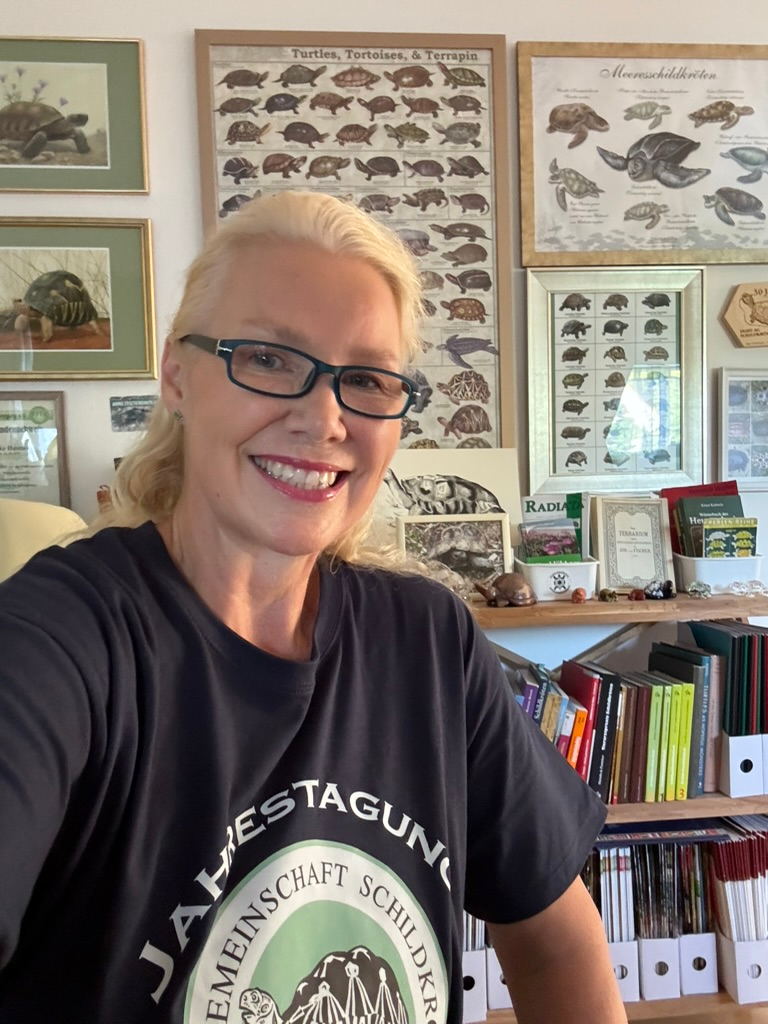
Über www.taschendinos.de vermittle ich praxisnahe, zeitgemäße Best-Practice-Konzepte für die Haltung Europäischer Landschildkröten. In der täglichen Beratung zeigt sich deutlich der hohe Bedarf an fundierten, technischen Lösungen – insbesondere zur realistischen Nachbildung mediterraner Klimabedingungen.
Im Vortrag übertrage ich die zentralen Inhalte meines Technik-Handbuchs in konkrete, evidenzbasierte Handlungsempfehlungen. Das mediterrane Klima dient dabei als Referenz für eine optimale Haltung Europäischer Landschildkröten. Vorgestellt werden die maßgeblichen klimatischen Charakteristika des Mittelmeerraums sowie die technische Infrastruktur zu deren ganzjähriger Umsetzung. Zudem werden die Ausstattung und technische Optimierung von Frühbeeten erläutert und aufgezeigt, wie sich Anforderungen an Beleuchtung und Temperaturmanagement im Jahresverlauf verändern – einschließlich der sicheren Durchführung der Winterstarre.
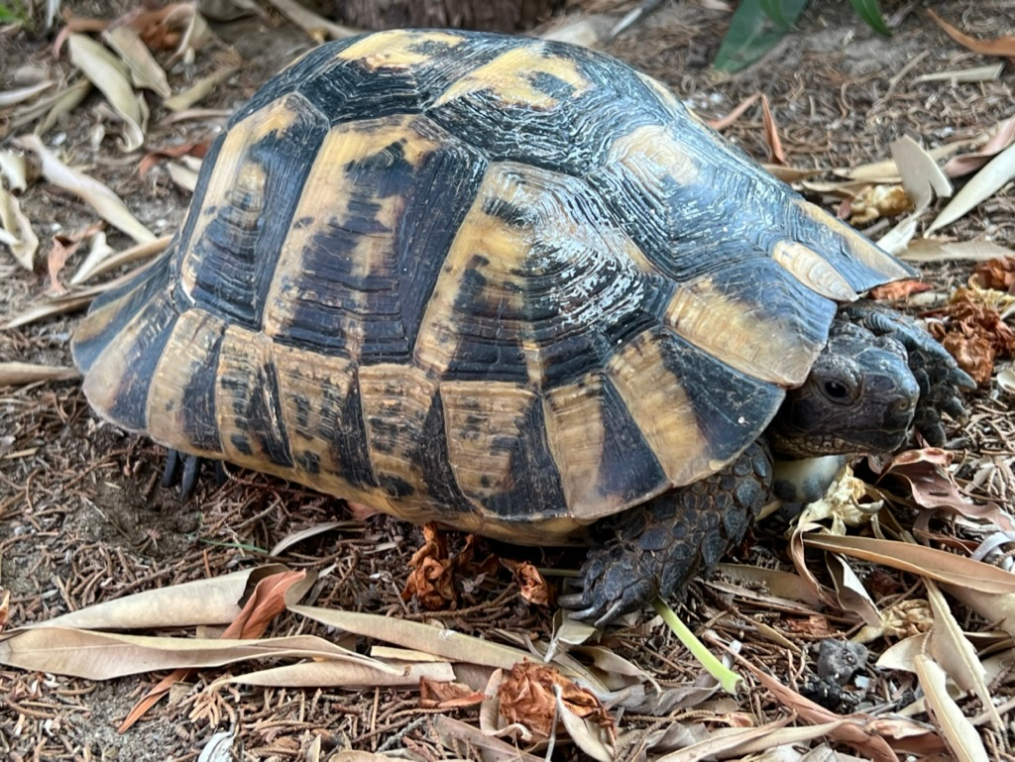
Ich freue mich sehr auf den persönlichen Austausch bei der Jahrestagung der AG Schildkröten DGHT 2026 in Gersfeld.
Speaker Introduction of the German Chelonia Group Conference 2026
Frauke Hustinx:
The Mediterranean Climate in Tortoise Husbandry – Practical Approaches for European Tortoises
My fascination with tortoises began in childhood during my earliest observations in their natural habitats. Since then, I have travelled regularly to their native distribution areas to study them under natural conditions and to analyse climatic parameters systematically.
For more than 21 years, I have kept European tortoises and have long been involved in voluntary husbandry advice as well as supporting tortoise rescue centres.
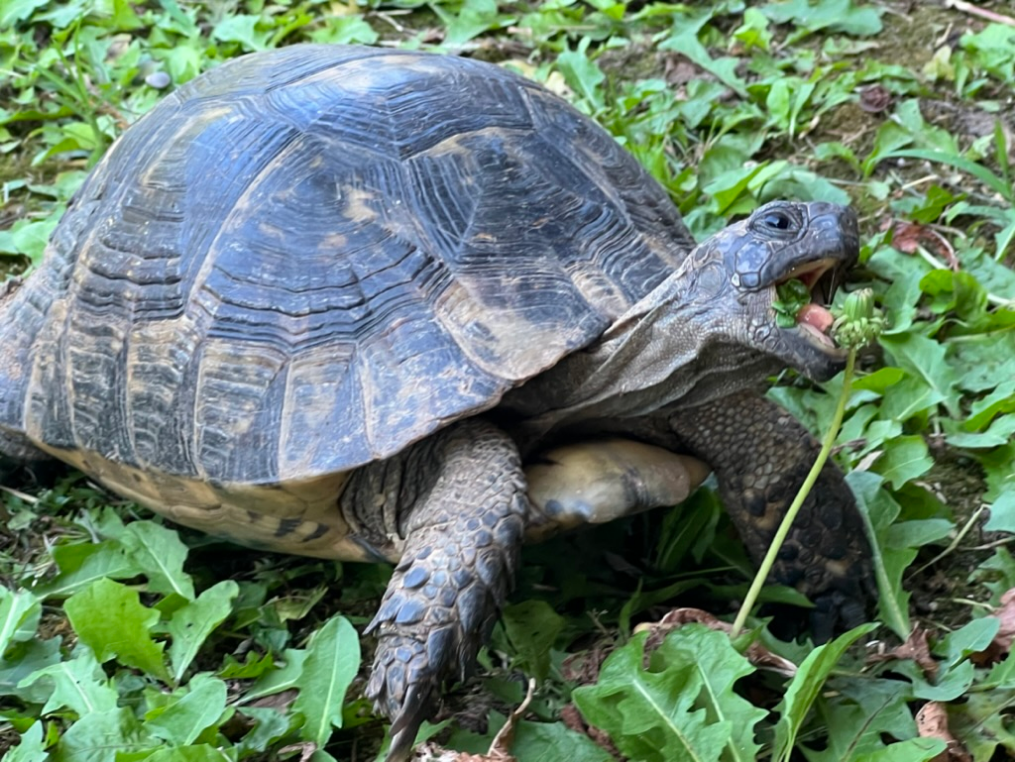
Since 2021, I have served as an editor of RADIATA and as Social Media and PR Officer of the German Chelonia Group within the DGHT; in 2024, I was elected to the board.
A project particularly close to my heart is www.schildkroetensuche.org, an interactive platform designed to reunite escaped turtles and tortoises with their keepers as swiftly as possible.
In 2025, I published two specialist handbooks on modern tortoise husbandry: one focusing on the technical equipment of cold frames, the other on the safe refrigerator brumation of European tortoises. In addition, I authored a colouring book and a children’s book on appropriate tortoise care, published in German and Polish. All publications support Schildkroetensuche.org.
Through www.taschendinos.de, I share practical and contemporary best-practice concepts for the husbandry of European tortoises.
In my daily advisory work, the strong demand for reliable, technically sound guidance becomes increasingly evident, particularly regarding the realistic replication of Mediterranean climatic conditions.
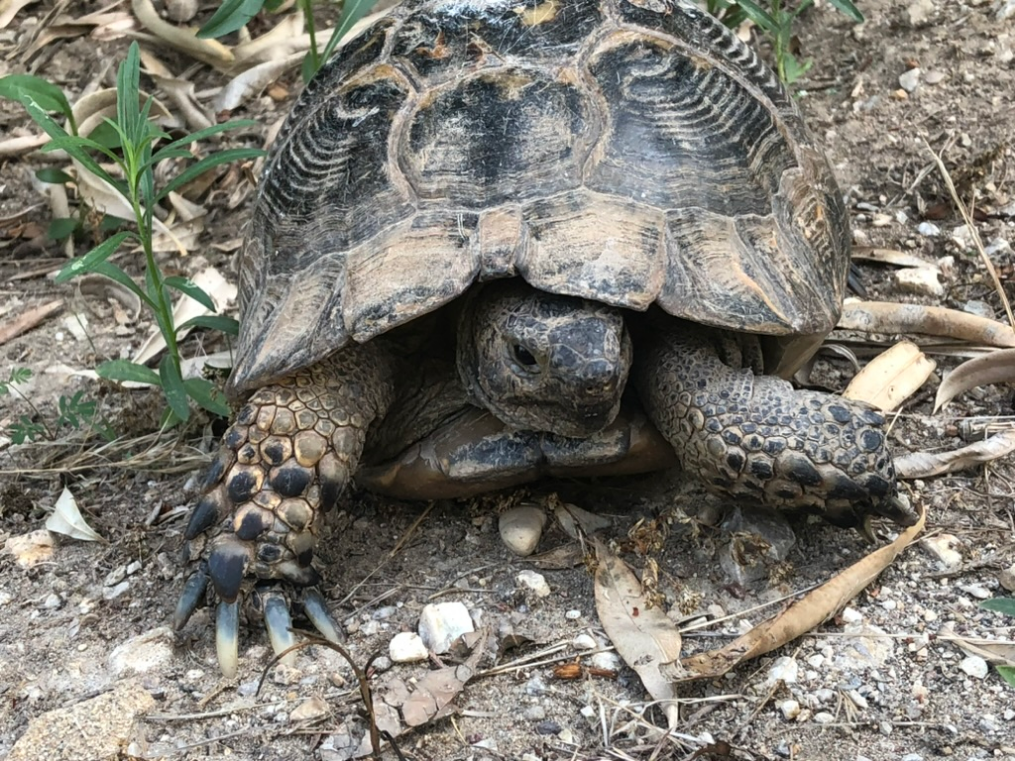
In my lecture, I translate the central themes of my technical handbook into concrete, evidence-based recommendations. The Mediterranean climate serves as a biological reference model for optimal husbandry of European tortoises. I outline the key climatic characteristics of the Mediterranean region and explain the technical infrastructure required for their year-round implementation. I also address the technical optimisation of cold frames, demonstrating how requirements for lighting and temperature regulation change over the course of the tortoise year, including the safe implementation of brumation.
I very much look forward to personal exchange at the German Chelonia Group Conference 2026 in Gersfeld.